Care Designed for Adults
We understand that dental anxiety isn’t just a childhood issue. For many adults, the dental chair can bring years of built-up fear—whether it’s anxiety around needles, a strong gag reflex, difficulty sitting still, or the need for extensive or complex dental work. Others may simply want to complete necessary treatment comfortably, efficiently, and without stress.
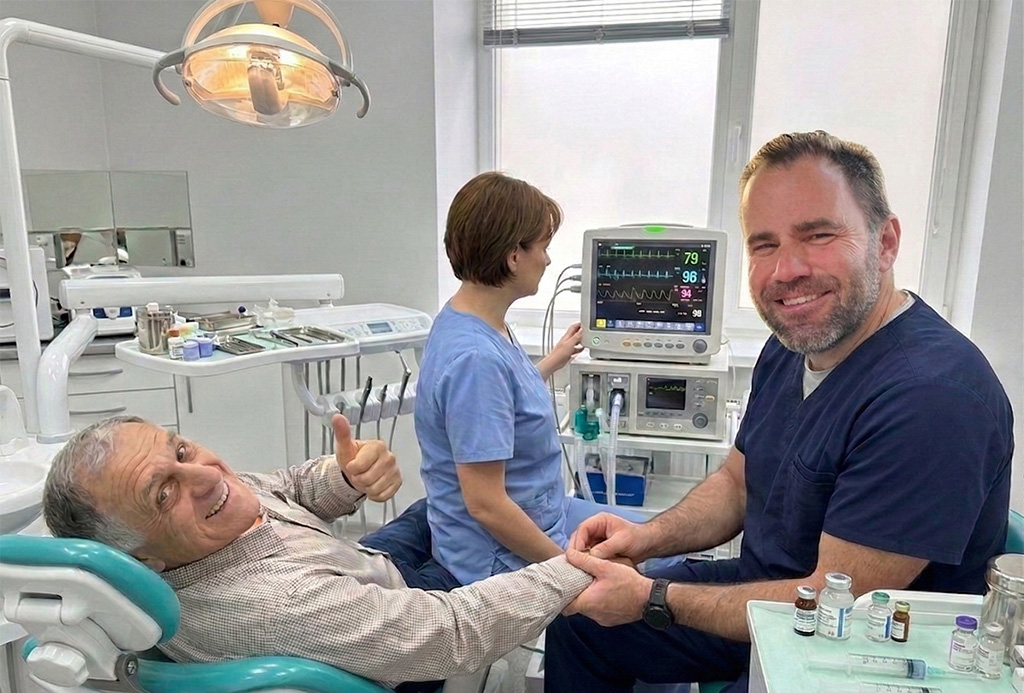
At Ascend Mobile Anesthesia, we turn an overwhelming dental appointment into a simple, restful nap. We bring the safety standards, monitoring, and medical expertise of a hospital operating room directly to your dentist’s office. While you rest comfortably, every aspect of your care is closely managed with precision and attention. This is not “sleep dentistry”—it is advanced medical anesthesia delivered by a highly experienced, double board-certified physician. You can feel confident knowing your comfort, safety, and well-being are the priority from start to finish.




PREOPERATIVE INFORMATION & INSTRUCTIONS
Ascend Anesthesia Solutions: Preparing for Your Safe Sedation
Our goal is to provide a seamless, hospital-grade anesthesia experience in the comfort of your dental office. To ensure the highest level of safety and comfort, please review these detailed preparations.
Nutritional Safety (NPO Guidelines)
Adhering to these timelines is vital to prevent complications such as aspiration.
- 8 Hours Before: Stop all solid foods and non-clear liquids (this includes milk, creamer, orange juice, or protein shakes). This typically begins at midnight.
- Up to 2 Hours Before: We encourage you to stay hydrated. You may have up to 8 ounces of clear liquids only (water, black coffee, plain tea, or clear sports drinks like Gatorade).
- 2 Hours Before Arrival: Do not take anything by This includes water, gum, mints, or tobacco products.
Health & Medications
- Daily Medications: Unless otherwise instructed by Bellig, please take your usual blood pressure or heart medications at their scheduled time with a small sip of water.
- Diabetes Management: If you take insulin or oral glucose-control medication, please contact our office prior to your appointment for specific dosing instructions for the morning of surgery.
- Recent Illness: If you develop a cough, congestion, fever, or any new respiratory symptoms in the days leading up to your visit, please notify us. For our sensitive or special needs patients, even a minor cold can impact the safety of the respiratory system under sedation.
Preparation & Attire
- Clothing: Please wear a loose, short-sleeved button-down shirt or a wide-necked T-shirt. We require easy access to your upper arms for blood pressure monitoring and IV placement.
- Skin & Care: Please avoid wearing heavy makeup, dark nail polish, or These can interfere with our pulse oximetry sensors which monitor your oxygen levels.
- Contact Lenses: Please wear glasses instead of contact lenses on the day of your procedure.
POST OPERATIVE INFORMATION & INSTRUCTIONS
Ascend Anesthesia Solutions: Your Recovery at Home
The effects of IV sedation or general anesthesia can linger for several hours. To ensure a smooth and compassionate recovery, please follow these professional-grade aftercare steps.
The First 24 Hours
- Supervised Care: You must be released into the care of a responsible adult who can stay with you for the remainder of the You should not be left alone until the following morning.
- Cognitive Rest: The medications used today can temporarily affect memory and judgment. Do not sign legal documents, operate a vehicle, or use power tools/machinery for a full 24 hours.
- Physical Activity: Avoid strenuous exercise or heavy Your coordination may be slightly impaired, so please move slowly to prevent the risk of a fall.
Hydration & Nutrition
- The “Slow Start” Method: Begin with small sips of water or clear broth. If you feel comfortable and have no nausea after 30 minutes, you may progress to soft favorites like scrambled eggs, pasta, yogurt, or a smoothie.
- Hydration: Staying well-hydrated helps your body process the anesthesia more
- Avoid Alcohol: Do not consume alcohol for 24 Alcohol can dangerously enhance the lingering effects of anesthesia medications.
Pain Management
- Please follow the specific pain-relief regimen provided by your If you have been prescribed narcotic pain medication, do not drive or operate machinery while taking it.
When to Contact Dr. Bellig
We are here for you throughout your recovery. Please contact us immediately if you experience:
- Difficulty breathing or a “heavy” feeling in the
- Persistent nausea or vomiting that prevents you from staying
- Excessive redness, pain, or swelling at the IV
- Any question or concern, no matter how
If you feel you are experiencing a medical emergency, please call 911 immediately.
Frequently Asked Questions
Patients who may benefit from dental anesthesia include those who:
-
Experience severe dental anxiety or phobia
-
Require extensive or complex dental work
-
Have difficulty sitting still for long procedures
-
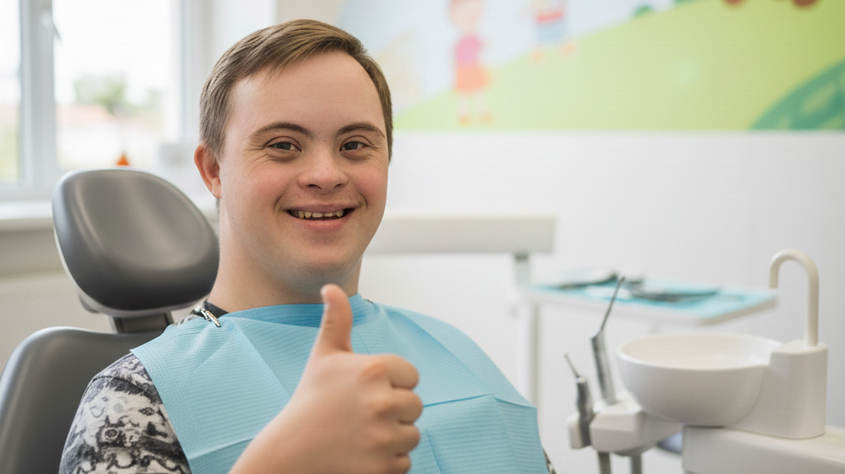
Have special needs or medical conditions
-
Have had difficulty achieving comfort with local anesthesia alone
A pre-procedure evaluation helps determine if anesthesia is appropriate for you. Completing our Pediatric Medical History Questionnaire is helpful.
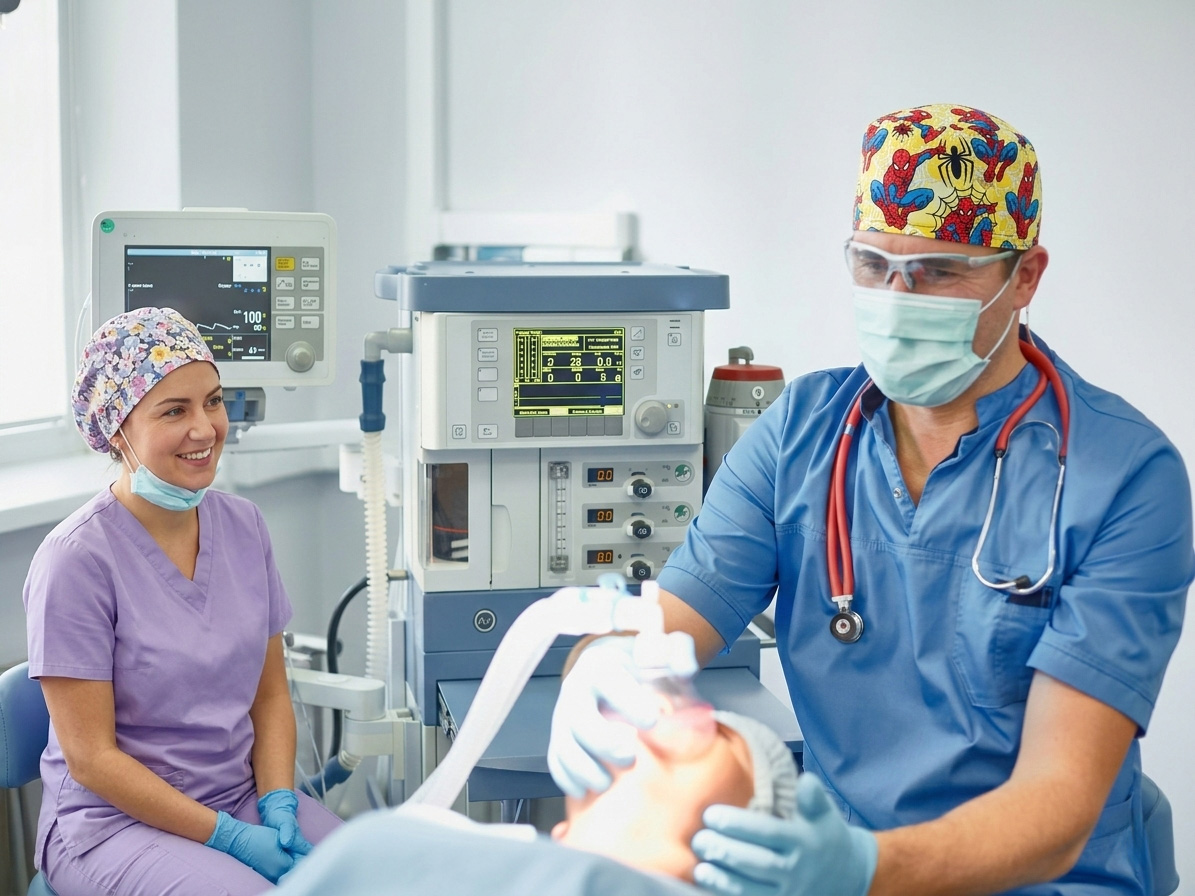
Yes. Mobile anesthesia follows the same safety standards used in hospitals and ambulatory surgery centers. We use advanced monitoring equipment and strict safety protocols to ensure patient comfort and safety at all times.
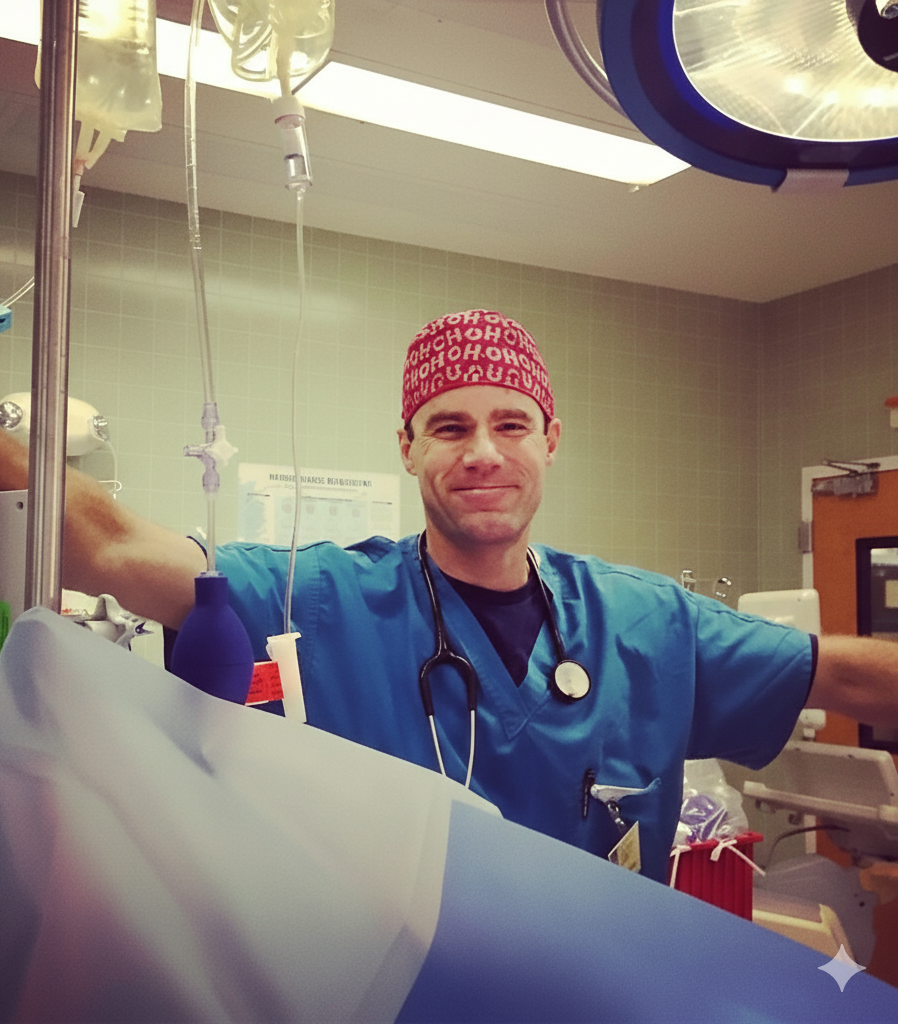
Anesthesia is administered by me, a double board-certified physician anesthesiologist with specialized training in dental and office-based anesthesia. I remain with you throughout the entire procedure and recovery period.
Mobile dental anesthesia means a licensed anesthesiologist comes directly to your dentist’s office to safely administer anesthesia during your procedure. This allows patients to receive hospital-level anesthesia care in a familiar dental setting—without the need to visit a surgery center or hospital.